
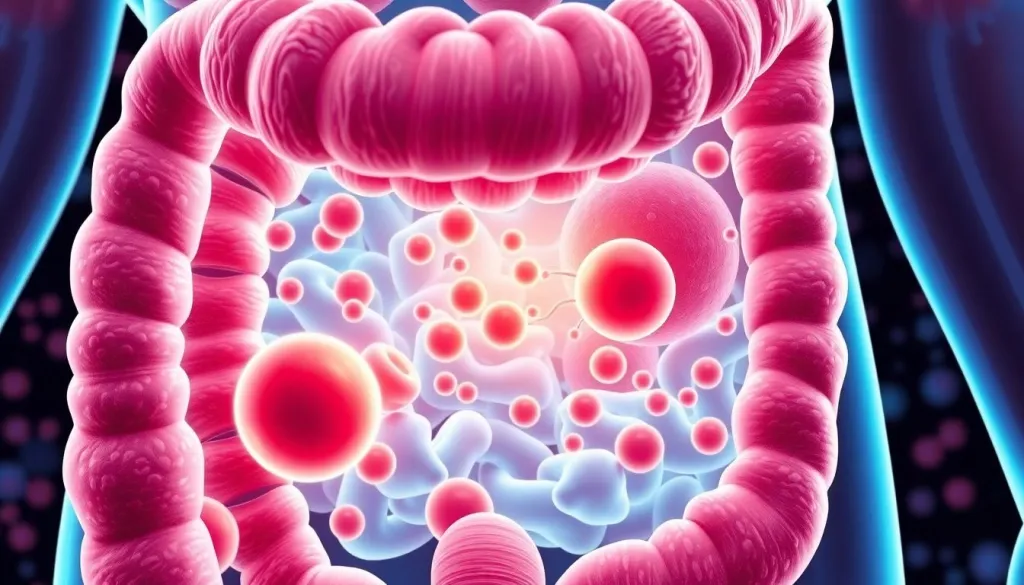
The risk of bowel cancer affects millions worldwide. With alarming rates of diagnosis and mortality, many look towards prevention methods. Vaccines have transformed healthcare, bringing life-saving immunisations for diseases. Could a vaccine for bowel cancer be the key to reducing its impact?
The Urgent Need for Bowel Cancer Prevention
The Alarming Statistics of Bowel Cancer
Bowel cancer, also known as colorectal cancer, ranks as one of the most common cancers globally. Here are some striking numbers:
- Approximately 1.9 million new cases diagnosed each year.
- Nearly 900,000 deaths a year are attributed to bowel cancer.
- In the UK, 1 in 15 men and 1 in 18 women will face a bowel cancer diagnosis in their lifetime.
Current Prevention Methods and Their Limitations
Current prevention strategies include screening, lifestyle changes, and surgery for high-risk patients. However, these methods have their drawbacks:
- Screening often detects cancer at late stages, making treatment harder.
- Lifestyle changes can be difficult to maintain.
- Surgery carries risks and is invasive.
The Promise of a Bowel Cancer Vaccine
A vaccine, if successful, could offer a proactive approach to prevention. It aims to boost the body’s natural defence against cancer cells, potentially transforming bowel cancer outcomes.
Understanding Bowel Cancer and its Development
The Role of Genetics and Lifestyle Factors
Genetic predisposition plays a vital role in bowel cancer risk. Family history can increase your likelihood. Additionally, lifestyle factors such as:
- Poor diet
- Smoking
- Inactivity
These can enhance the risk. Recognising these influences can help identify those at high risk.
The Molecular Mechanisms of Bowel Cancer Formation
Bowel cancer arises from changes in the cells of the bowel lining, often linked to genetic mutations. These changes trigger uncontrolled growth, leading to tumor formation. Understanding these molecular mechanisms is crucial in developing effective vaccines.
Identifying High-Risk Individuals
By recognising high-risk individuals through screening and genetic testing, healthcare providers can target prevention efforts. These individuals may benefit the most from a vaccine aimed at bowel cancer.
How a Bowel Cancer Vaccine Works
Targeting Specific Cancer Antigens
Vaccines work by training the immune system to recognise cancer antigens. These unique markers allow the immune system to identify and target cancer cells effectively.
Stimulating the Immune System for Cancer Cell Destruction
Once the immune system is activated, it can better attack and destroy cancer cells. The goal is to enhance this response, leading to improved outcomes for individuals at risk.
Different Types of Bowel Cancer Vaccines Under Development
Various vaccines are in research stages. These include:
- Peptide vaccines that target specific proteins on cancer cells.
- Dendritic cell vaccines that teach the immune system to attack cancer.
Each type works uniquely, offering hope for a breakthrough in prevention.
Current Research and Clinical Trials
Promising Results from Early-Stage Trials
Recent trials show that some bowel cancer vaccines stimulate immune responses effectively. Early results indicate potential to reduce tumor growth in vaccinated individuals.
Challenges in Vaccine Development and Deployment
Despite the optimism, hurdles remain. These include:
- Ensuring long-lasting immunity.
- Addressing production and delivery logistics.
- Gaining regulatory approval.
Case Studies: Real-World Examples of Vaccine Efficacy
Case studies highlight successful responses to vaccine trials. Participants exhibited strong immune reactions with fewer side effects. These real-world examples bolster confidence in vaccine potential.
Potential Benefits &Side Effects of a Bowel Cancer Vaccine
Improved Survival Rates and Reduced Cancer Incidence
The primary benefit of a successful vaccine would be reduced bowel cancer incidence. Over time, this could lead to fewer deaths and improved survival rates.
Potential Side Effects and Their Management
Like any medical treatment, vaccines can trigger side effects. Common side effects may include:
- Fatigue
- Mild fever
- Injection site reactions
Most side effects are manageable, and ongoing research aims to minimise adverse effects.
Long-Term Effects and Monitoring
Long-term monitoring of vaccine recipients will be crucial. This oversight ensures safety and evaluates the vaccine’s effectiveness over time.
The Future of Bowel Cancer Vaccines and Prevention
Access and Equity in Vaccine Distribution
Ensuring equitable access to bowel cancer vaccines will be vital. Focus must be on underserved communities to provide everyone with protective measures against this cancer.
Continued Research and Technological Advancements
The journey does not stop here. Ongoing research and advancements in technology will pave the way for new vaccine strategies and improved effectiveness.
The Role of Personalized Medicine in Vaccine Development
Personalised medicine could tailor vaccines to individual needs, addressing specific genetic markers and risk factors. This approach has the potential to enhance vaccine efficacy and safety.
Conclusion: A Brighter Future for Bowel Cancer Prevention
Key Takeaways and Next Steps
Bowel cancer vaccines present a promising avenue for prevention. Ongoing research and trials foster hope for effective immunisation strategies.
Encouraging Words and Call to Action
Stay informed about bowel cancer. Advocate for increased awareness and support continued research. Together, we can move towards a future where bowel cancer is less of a threat.
Take charge of your health and encourage others to do the same!

Leave a Reply